I Keep Seeing "Manufactured Home" in Searches — Why Do People Mean Modular?
In recent years, the demand for affordable workforce housing has surged across the U.S. West, prompting an accelerated interest in innovative construction methods. One trend I've noticed personally—and I’m sure many in multifamily and campus housing development have, too—is the repeated appearance of the term “manufactured home” in online searches when people are actually looking for modular housing. This confusion isn’t just semantic. It impacts project financing, permitting workflows, and even workforce recruitment strategies.
In this post, I’ll demystify the differences between manufactured homes and modular homes, explain the nuances of their respective building codes, shed light on how permitting agencies treat modular projects, and illustrate why modular construction is becoming a backbone of multi-unit modular programs designed to compress schedules and solve workforce housing constraints.
Along the way, I’ll reference innovative industry leaders like Irontown Modular, The Other Side Village, and My Cozy Outdoors who are helping the West shift to smart, scalable solutions.
Understanding the Search Term Confusion: Manufactured Home vs Modular
When searching for affordable or workforce housing solutions, many people instinctively type in “manufactured home.” Understandable, because the term feels accessible and broadly descriptive. But here’s the catch: in the construction and permitting world, “manufactured home” and “modular home” have very different technical definitions and implications.
Aspect Manufactured Home (HUD Home) Modular Home Definition Built entirely in a factory under the HUD Manufactured Home Construction and Safety Standards, sometimes called "mobile homes". Permanently attached after delivery but built to federal standards. Constructed in sections (modules) in a factory to locally adopted building codes and assembled on-site like traditional stick-built homes. Codes & Regulations HUD Code – federal preemption of local codes. Subject to local building codes (IBC, IRC) enforced by city or county jurisdictions. Permitting Process HUD certification simplifies site permitting but sometimes complicates permanent financing and zoning. Permitting workflows very similar to stick-built homes, with added factory inspection coordination. Use Cases Often single-family standalone dwellings, sometimes in mobile home parks. Multi-unit housing projects, including multifamily, workforce housing, student dorms, campus housing.Why Does This Distinction Matter in Workforce Housing Development?
The shortage of affordable workforce housing is a pressing recruiting constraint for employers in high-cost regions such as the West Coast. Whether you are a university expanding campus housing or a local government delivering mission-driven workforce units, the construction method you choose profoundly influences project timeline, cost, regulatory hurdles, and ultimately your ability to attract and retain talent.
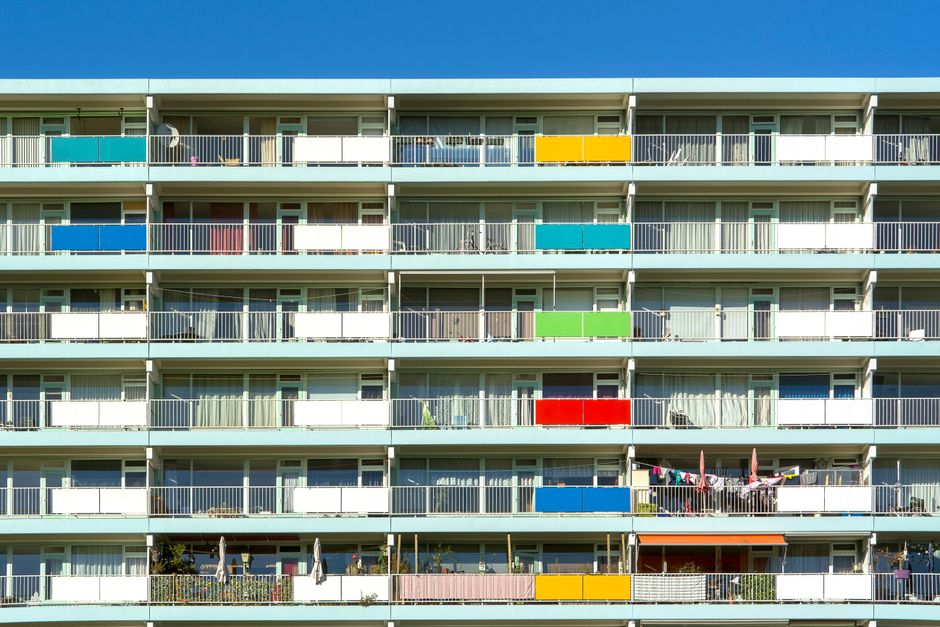
Modular construction offers a proven path forward:
- Scalability: Projects like The Other Side Village leverage multi-unit modular programs to deliver dozens of units with consistency and quality control.
- Schedule Compression: Unlike traditional stick-build methods where site work and framing happen sequentially, modular allows simultaneous factory production and on-site foundation preparation to slash construction timelines.
- Permitting Clarity: Despite some initial confusion, modular homes fall under local building codes, ensuring smoother integration with municipal permitting agencies familiar with IBC/IRC standards.
The Role of Companies Like Irontown Modular and My Cozy Outdoors
The modular housing industry’s growth owes much to forward-thinking builders and developers who bridge the gap between factory craft and on-site assembly. Irontown Modular, for example, specializes in high-quality multi-unit modular projects tailored to workforce and student housing markets, delivering projects on aggressive timelines by harnessing factory efficiencies.
Meanwhile, My Cozy Outdoors pioneers innovative prefab outdoor living solutions that complement modular housing developments, enhancing site livability and community appeal without prolonged on-site construction.
Permitting Workflow & Inspections for Modular Projects
Understanding permitting and inspections is critical to navigating multi-unit modular programs successfully. Here’s a typical workflow for modular housing projects:
- Design and Engineering: Modules are designed per local building codes, often with additional structural input to accommodate transportation stresses.
- Permitting Submission: Modular plans are submitted to the local building department. Clarity in documentation differentiating factory-built elements versus onsite work expedites review.
- Factory Inspection and Quality Control: Before modules leave the factory, third-party inspections verify code compliance aligned with local standards.
- Foundation and Site Work Permitting: Site team secures permits for foundation, utilities, grading, often overlapping with factory production.
- On-Site Assembly Inspection: Upon delivery, building inspectors verify module placement, utility connections, compliance with fire and accessibility codes.
- Final Inspection and Occupancy: Once the site and modules are fully integrated, final inspection is conducted to issue the Certificate of Occupancy.
Throughout this process, communication between factory, builder, and municipality is key. Agencies familiar with companies like The Other Side Village report smoother workflows after gaining modular experience.

Schedule Compression: Parallel Factory and Site Work
Perhaps the biggest advantage modular offers is the compression of construction schedules—a vital factor when workforce housing is needed urgently.
Traditionally, site preparation, foundation pouring, framing, then interior work all follow a linear timeline on-site. With modular, building components are prefabricated off-site in controlled environments simultaneously while site crews pour foundations and prepare utilities.
- This results in weeks or even months shaved off project delivery.
- Less exposure to weather delays.
- Reduced labor force demand on-site—a boon during skilled labor shortages.
Developers utilizing multi-unit modular programs benefit from predictable, repeatable cycles. For example, Irontown Modular’s repeatable factory workflow paired with experienced local crews exemplifies how complex workforce housing projects gain both efficiency and quality.
Wrapping Up: Why Clarifying Terms Helps Everyone
Understanding the key differences between manufactured homes (HUD homes) and modular homes is more than academic—it’s essential for aligning expectations in workforce housing construction.
Misuse of the term “manufactured home” in searches or conversations risks:
- Misguided permitting approaches.
- Confusion in financing or insurance processes.
- Unrealistic scheduling assumptions.
Embracing clarity helps local government plan reviewers, developers, and builders work more cohesively, accelerating delivery of much-needed housing stock.
Companies like The Other Side Village, Irontown Modular, and My Cozy Outdoors are at the forefront, proving how integrated modular programs can alleviate some of the toughest recruiting constraints caused by regional housing https://www.re-thinkingthefuture.com/architectural-styles/manufactured-homes-for-employee-housing-what-modular-construction-actually-delivers/ shortages.
Further Reading & Resources
- HUD Manufactured Home FAQs
- Irontown Modular
- The Other Side Village
- My Cozy Outdoors
- International Building Code (IBC)